

The numbers don’t lie, and they’re troubling. As families across Missouri prepare for the 2025-26 school year, vaccination rates continue their downward slide, creating ripple effects that extend far beyond individual households.
Missouri’s kindergarten measles vaccination rate dropped from 91.3% in 2022-23 to 90.4% in 2023-24, according to the Centers for Disease Control and Prevention (CDC). While that might seem like a small decline, it represents thousands of children who remain vulnerable to a disease that was declared eliminated in the United States just 25 years ago.
We’re not alone in this struggle. National kindergarten vaccination rates fell below 93% for all reported vaccines during the 2023-24 school year, continuing a steady decline from the 95% coverage achieved in 2019-20. Missouri’s neighboring state of Kansas mirrors these concerning trends, with MMR vaccination rates holding steady at 90.4%; Missouri’s rates dropped to 90.4% from 94.6% just five years ago.
August’s designation as National Immunization Awareness Month serves as a timely reminder that these aren’t just statistics—they represent real children in real classrooms and real families grappling with complex decisions about their children’s health.
The Reality of Missouri’s Requirements
Let’s start with what families actually need to know. The Missouri Department of Health and Senior Services (DHSS) requires specific immunizations for all students attending public, private, parochial, and parish schools. These aren’t arbitrary bureaucratic requirements—they’re based on decades of scientific evidence about protecting children from serious diseases.
The required vaccines include DTaP (diphtheria, tetanus, pertussis), polio, MMR (measles, mumps, rubella), varicella (chickenpox), and hepatitis B. Students entering eighth grade must also receive a DTaP booster and meningococcal vaccine, while high school seniors need proof of two meningococcal doses unless their first dose was administered after age 16.
These requirements align with recommendations from the CDC’s Advisory Committee on Immunization Practices, which brings together medical experts to review the latest evidence and make recommendations based on science, not politics.
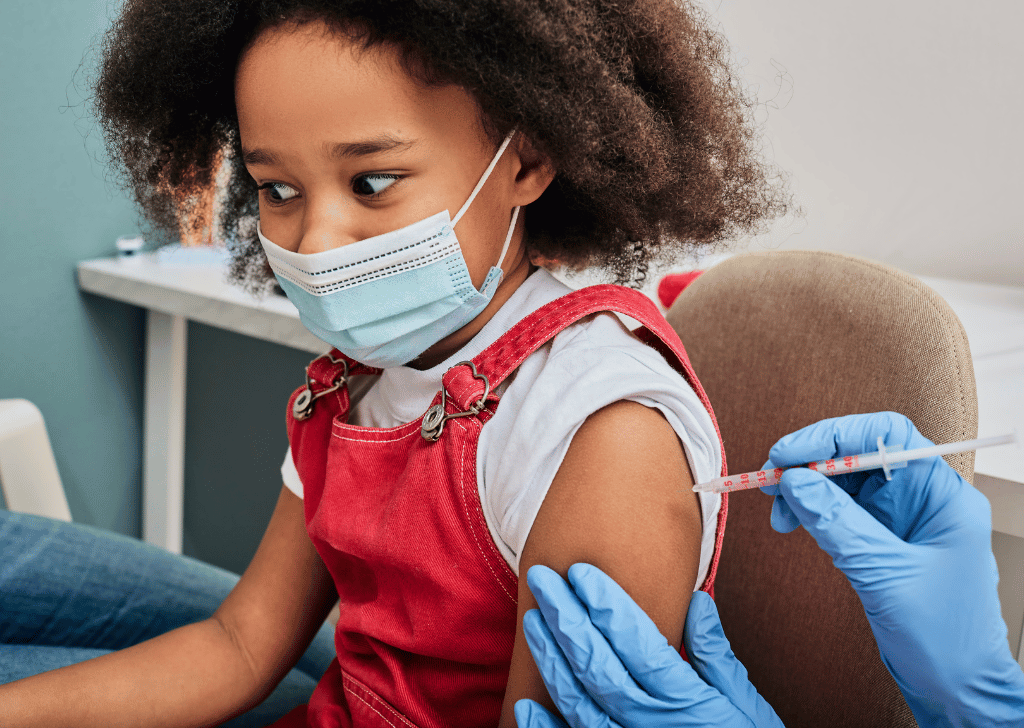
When vaccination rates drop below 95%, communities lose what epidemiologists call “herd immunity” —the protection that comes from having enough vaccinated people to prevent disease transmission. (Photo source: Canva)
When the Numbers Tell a Story
Dr. Amruta Padhye, a pediatrician with University of Missouri Health Care, told ABC17 News the reality is stark: Nine out of 10 nonimmunized people are susceptible and will catch the virus if they are around a person with measles; declining vaccinations because of hesitancy and vaccine denial is making its comeback again.”
That’s not hyperbole. Measles is among the most contagious diseases known to medicine, and the math is unforgiving. When vaccination rates drop below 95%, communities lose what epidemiologists call “herd immunity” —the protection that comes from having enough vaccinated people to prevent disease transmission.
DHSS has acknowledged that current vaccination rates are too low to prevent outbreaks. In some counties, the picture is particularly concerning. While Boone County achieved 93.92% coverage, rural areas often fall well below state averages.
Austin Krohn, public information specialist for Columbia/Boone County Public Health and Human Services, explains the broader implications: “Herd immunity will also lower, so people that have legitimate reasons to not get a vaccine will be more exposed.”
The Urban-Rural Divide
The vaccination landscape looks different depending on where you live in Missouri. Rural communities face unique challenges that go beyond simple access to health care, though that’s certainly part of the story.
Transportation barriers are real. Many rural families must travel significant distances to reach health care facilities, and limited clinic hours compound the problem for working parents. Fewer pediatric providers mean longer wait times and less opportunity for ongoing patient relationships that can address concerns about vaccines.
But the challenges run deeper than logistics. Rural communities often have different information ecosystems, with families relying more heavily on informal networks and social media for health information. When trusted local health care providers are scarce, these informal sources carry more weight.
The result is a patchwork of vaccination coverage across the state, with some communities well-protected and others vulnerable to outbreaks. Six metro counties around Kansas City showed MMR vaccination rates below 95% for kindergartners in the 2023-24 school year, highlighting how widespread the problem has become.
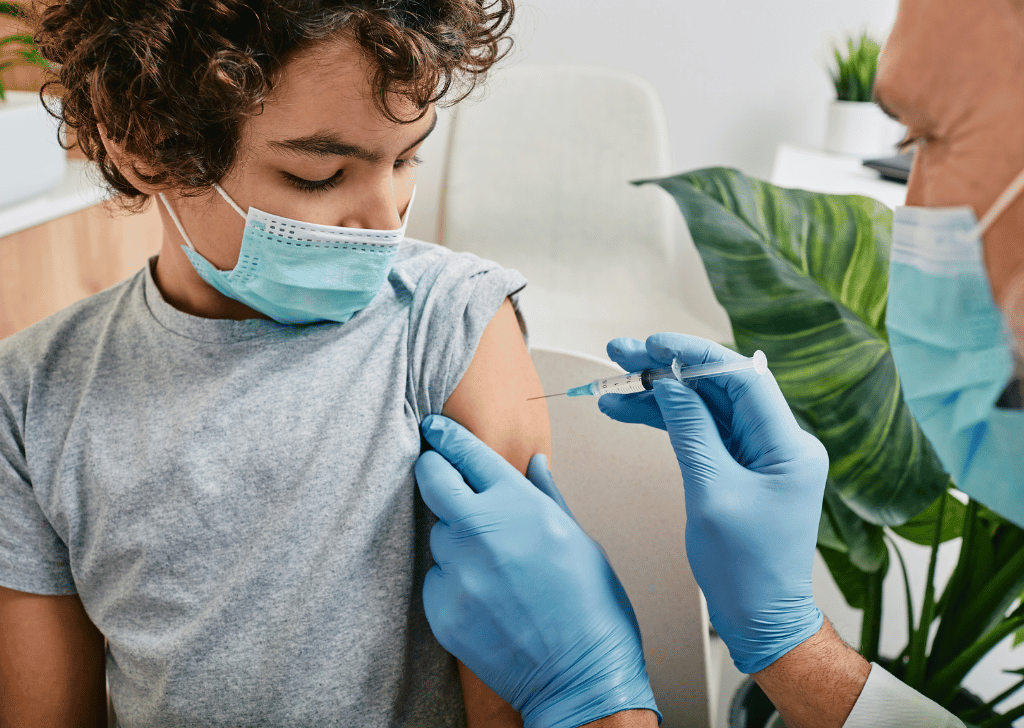
August’s designation as National Immunization Awareness Month serves as a timely reminder that these aren’t just statistics—they represent real children in real classrooms and real families grappling with complex decisions about their children’s health.
Urban areas face their own barriers, including crowded clinics, language differences, and the need for integrated services to support families juggling complex health and social needs. To meet these demands, federally qualified health centers in cities are expanding their capacity and integrating care under one roof. In Kansas City, Samuel U. Rodgers Health Center is preparing to open a new pediatric wing dedicated to serving more children and families.
“This new pediatric wing will allow us to care for even more children and families, bringing medical, dental, behavioral, and WIC services together in one place,” said Bob Theis, CEO of Samuel U. Rodgers Health Center.
The Hesitancy Factor
Let’s address the elephant in the room: vaccine hesitancy. The COVID-19 pandemic didn’t create skepticism about vaccines, but it certainly amplified existing concerns and created new ones.
Dr. Padhye identifies the core issue: “People not wanting to get their vaccines, the number of vaccine-hesitant people, and those who are declining vaccines altogether.” This hesitancy stems from multiple sources—concerns about side effects, questions about vaccine necessity, and broader distrust in health care systems.
Some of this skepticism is understandable. Parents want to protect their children, and in an era of information overload, it can be difficult to separate reliable sources from misinformation. Social media algorithms often amplify the most extreme voices, making rare adverse events seem more common than they actually are.
Many parents instinctively feel that natural processes might be safer than medical interventions—a reflection of good parenting instincts to be cautious about what we expose our children to. Some wonder whether their child’s immune system might handle diseases on its own, as humans did for millennia before vaccines existed.
The challenge for health care providers is addressing these concerns without dismissing them. Effective communication requires listening to parental worries, providing evidence-based information, and acknowledging that vaccination decisions occur within complex social and cultural contexts.
The Comeback of Measles
The theory became real in April when Missouri reported its first measles case of 2025, involving a child visiting Taney County. The case served as a stark reminder that vaccine-preventable diseases remain a genuine threat when immunization coverage declines.
This Missouri case occurred alongside a devastating outbreak in West Texas that resulted in 124 confirmed cases and the first measles death in the United States since 2015. Most of those affected were children 5 to17 years old—exactly the population that depends on school vaccination requirements for protection.
Measles isn’t just a childhood rash. The disease can cause high fever (103-105°F), a red blotchy rash, red, inflamed eyes, runny nose, cough, sore throat, and characteristic white spots in the mouth. Complications can include pneumonia, brain inflammation, and death. Before the vaccine became available in 1963, measles killed approximately 500 Americans annually and hospitalized 48,000.
Polio paralyzed thousands of children each summer, leading to pool closures and canceled gatherings as families lived in fear. Whooping cough killed more infants than any other infectious disease, according to the National Foundation of Infectious Disease.
The MMR vaccine provides highly effective protection—about 97% immunity with two doses. But individual protection depends on community-wide vaccination coverage to prevent transmission in the first place.
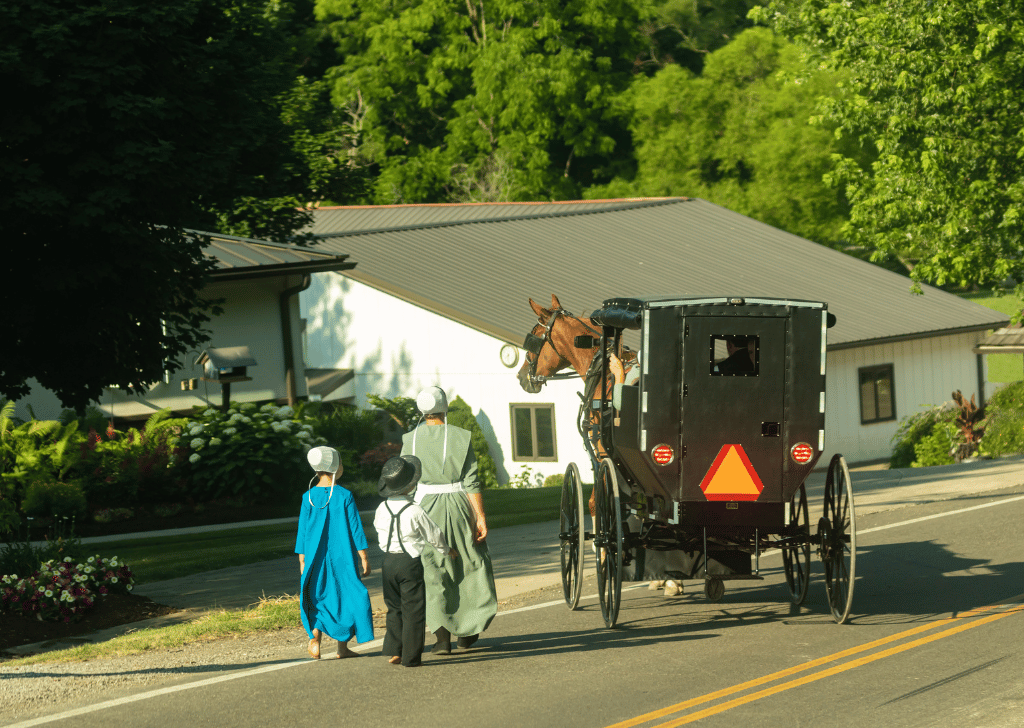
While respecting individual choice, health departments emphasize that exemptions should be considered carefully, particularly given the potential impact on community immunity. (Photo source: Adobe Stock)
Understanding Legal Exemptions
Missouri law recognizes that not every child can or should be vaccinated. The state permits medical exemptions for children with documented health conditions that make vaccination dangerous—such as compromised immune systems, severe allergies to vaccine components, or other medical contraindications.
Religious exemptions are also available, requiring parents to submit a signed affidavit stating that immunization conflicts with their sincerely held religious beliefs. This process, governed by Missouri state law, attempts to balance individual rights with community health protection.
Public health officials monitor exemption rates closely because increases can signal growing vulnerability to disease outbreaks. While respecting individual choice, health departments emphasize that exemptions should be considered carefully, particularly given the potential impact on community immunity.
Parents considering exemptions should understand that schools may exclude unvaccinated students during disease outbreaks to prevent further transmission. This policy protects both the unvaccinated child and the broader school community.
The Science on Safety and Effectiveness
Current research continues to support the safety and effectiveness of routine childhood vaccinations. The CDC operates multiple vaccine safety monitoring systems, including the Vaccine Adverse Event Reporting System (VAERS), Vaccine Safety Datalink (VSD), and Clinical Immunization Safety Assessment (CISA) project.
These systems provide ongoing surveillance of vaccine-related adverse events, helping to identify any safety concerns quickly. For example, VAERS processes over 30,000 reports annually, with each serious event thoroughly investigated by medical experts. This monitoring system means safety issues are identified quickly when they occur. Serious adverse reactions remain rare, with the vast majority of children experiencing only mild side effects such as soreness at the injection site or low-grade fever.
Parents considering natural immunity should understand that while natural infection often provides strong immunity, it comes with risks that vaccination avoids. Before the measles vaccine was available, children who survived measles typically gained lifelong immunity, but the disease itself caused brain damage in 1 in 1,000 cases and deaths in 1-2 per 1,000 cases.
Current research—including large U.S. cohort studies and ongoing surveillance through the VSD—continues to support the safety and effectiveness of routine childhood vaccinations. For example, the VSD, which monitors over 12 million people annually, has consistently found no new or unexpected safety concerns for recommended vaccines, with serious adverse events remaining extremely rare. Most children experience only mild side effects, such as soreness at the injection site or a low-grade fever.
Effectiveness data demonstrates that vaccines provide robust protection against targeted diseases. The measles vaccine alone has prevented millions of cases and thousands of deaths since its introduction. Similar patterns exist for other routine childhood vaccines, with dramatic reductions in disease incidence following widespread vaccination programs.
Practical Steps for Families
As the 2025-26 school year approaches, Missouri families can take several concrete steps to navigate immunization requirements:
Start early: Don’t wait until the last minute. Review your child’s vaccination records now by contacting your health care provider or checking with your local health department about accessing immunization records.
Know your options: Vaccines are available through pediatric offices, family practices, federally qualified health centers, county health departments, and many pharmacies. Rural families should investigate mobile vaccination clinics that may visit their communities.
Prepare for conversations: If you have concerns about vaccines, write them down and discuss them with your child’s health care provider. Common concerns include questions about natural immunity, vaccine timing, and whether children’s immune systems can handle diseases naturally. Some parents worry about giving multiple vaccines at once, but the vaccine schedule is designed to protect children when they’re most vulnerable to serious complications from these diseases. Good providers will listen to your concerns and provide evidence-based information to help you make informed decisions.
Understand the requirements: Check with your local school district for specific deadlines and requirements. Some districts may require documentation well before the first day of school.
Consider exemptions carefully: If you’re thinking about seeking an exemption, understand both the process and the implications. Discuss your specific situation with a health care provider who knows your family’s medical history.

Vaccine-preventable disease outbreaks can result in significant health care costs, missed workdays, and disruptions to educational activities. Communities with high vaccination rates avoid these costs while maintaining healthier, more productive populations. (Photo source: Adobe Stock)
The Bigger Picture
Individual vaccination decisions have broader implications for community health. Newborns, pregnant women, individuals with compromised immune systems, and those undergoing cancer treatment depend on community immunity for protection. They can’t be vaccinated themselves, so they rely on the rest of us to create a protective barrier.
Schools serve as important settings for disease transmission, with close contact between students facilitating the spread of contagious diseases. Maintaining high vaccination rates in school populations helps protect both individual students and the broader community.
The economic implications are substantial, too. Vaccine-preventable disease outbreaks can result in significant health care costs, missed workdays, and disruptions to educational activities. Communities with high vaccination rates avoid these costs while maintaining healthier, more productive populations.
Looking Forward
Missouri’s approach to school immunization requirements reflects ongoing efforts to balance individual choice with community health protection. This balance requires ongoing dialogue between families, health care providers, educators, and public health officials.
Success depends on several factors: maintaining accessible vaccination services across urban and rural areas, providing accurate information to support informed decision-making, addressing legitimate concerns about vaccine safety and effectiveness, and creating systems that respect individual choice while protecting community health.
The challenge of maintaining high vaccination rates in an era of increased skepticism requires renewed commitment to transparent communication, accessible health care services, and evidence-based policymaking. Schools, health care providers, and public health agencies must work together to ensure that all children have access to the protection vaccines provide.
The Bottom Line
As Missouri families prepare for the upcoming school year, the decisions they make about immunization will shape not only their children’s health but the health of entire communities. The goal isn’t to eliminate choice—it’s to ensure that choices are informed by accurate information and consideration of both individual and community implications.
Every parent wants to protect their child. The question is how to do that effectively in a world where misinformation spreads faster than measles and where individual decisions have collective consequences. The answer lies in maintaining open dialogue, supporting accessible health care services, and remembering that protecting our children means protecting all children.
The decisions families make about vaccination will continue to shape Missouri’s public health landscape. Each family’s choice reflects their values, circumstances, and understanding of the available information. What matters most is that these decisions are informed ones—whether families ultimately choose to vaccinate according to school requirements, seek exemptions, or find a middle ground that works for their situation.
Missouri’s children deserve communities where parents have access to accurate information from multiple perspectives, where health care providers listen to concerns without judgment, and where policy respects both individual choice and community welfare. As another school year approaches, the ongoing conversation about vaccination will require continued dialogue, mutual respect, and recognition that reasonable people can examine the same information and reach different conclusions.


