
She has two children, no reliable transportation, and a list of barriers that would stop most people cold. But a mother currently enrolled in Nurture KC’s Healthy Start program is preparing to travel to Washington, D.C., through a national initiative called Strolling Thunder to advocate for families like hers. She is also joining Nurture KC’s board of directors. She is attending college. And she credits the wraparound support she received through the program with helping her get there.
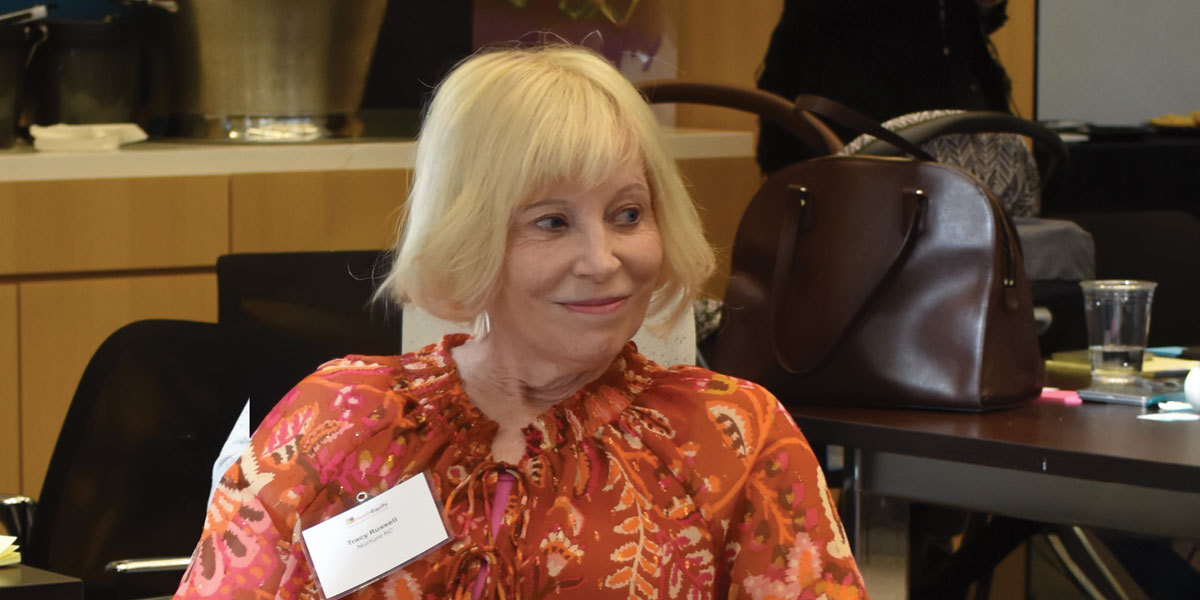
“It’s when you move hearts that you begin to move minds,” said Tracy Russell, CEO of Nurture KC. “She brings a real story, a story that I can’t tell, but she can.”
That philosophy, meeting families where they are and then clearing a path forward, has guided Nurture KC for more than 25 years. As the organization marks Black Maternal Health Week 2026, observed April 11-17, its work remains rooted in the same crisis that prompted its founding: a Missouri Department of Health and Human Services report on Black infant mortality that, for the first time, put the data behind what communities already knew.
The numbers have not improved enough. Missouri ranks 44th in the nation for maternal health outcomes, and Black women in the state face a pregnancy-related mortality ratio of 72 deaths per 100,000 live births, nearly three times the rate for white women, according to the Missouri Department of Health and Senior Services. More than 70% of those deaths were deemed preventable. Black infants in the Kansas City metro die at roughly twice the rate of white infants.
Russell, only the second leader in the organization’s history, said the lack of recognition around these disparities was one of the biggest obstacles when she arrived seven years ago. “There wasn’t even recognition that this problem existed and that in fact, Black women are treated differently within our structures and systems,” she said. “Part of our work is shining a spotlight on that fact, because people have to be aware in order for there to be change.”
How Nurture KC supports mothers from pregnancy to policy
Nurture KC’s flagship program, Healthy Start, is a federally funded initiative that serves pregnant women living in the 12 ZIP codes with the highest infant mortality rates in Kansas City, Missouri, and Wyandotte County, Kansas. Mothers enter during pregnancy and remain in the program until the child is 18 months old. There are no other barriers to entry by design.
The model is built around five community health workers who reflect the communities they serve. They walk alongside families through pregnancy and the early months of a child’s life, providing breastfeeding and safe-sleep education, cribs, car seats, and diapers through HappyBottoms, doula services, and connections to University Health’s FoodFarmacy program for fresh produce. The organization also screens mothers for depression, anxiety, and other mental health needs, offering both group and individual therapy.
“I’ve been really pleasantly surprised by the impact of the group therapy, because they’re among peers,” Russell said. “They feel like they can be more open.
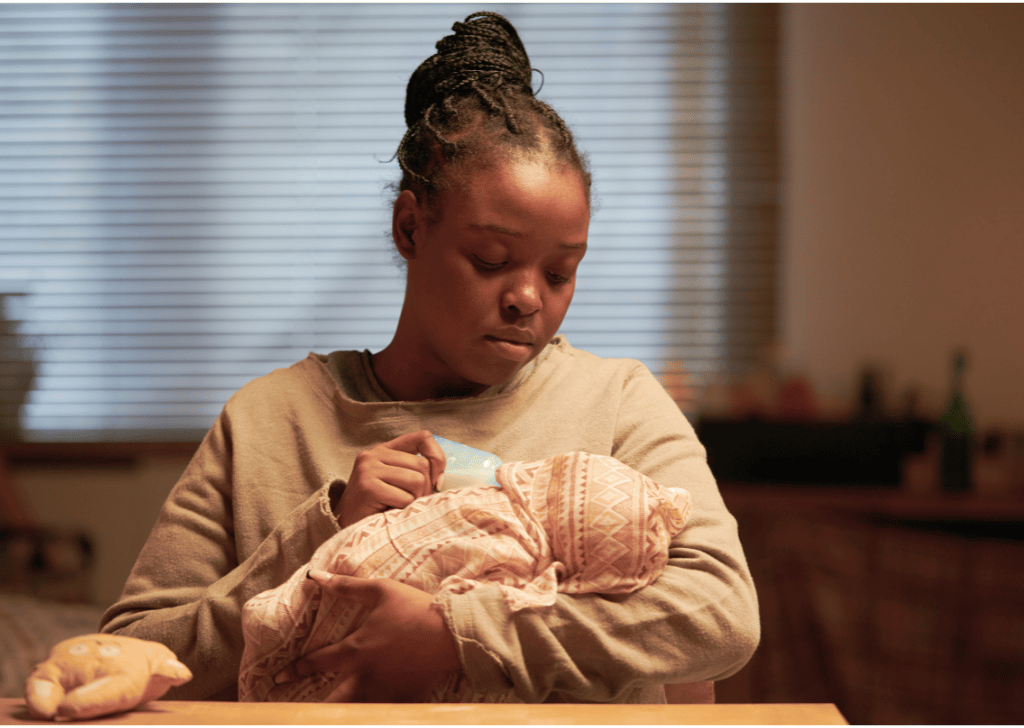
Nurture KC’s flagship program, Healthy Start, is a federally funded initiative that serves pregnant women living in the 12 ZIP codes with the highest infant mortality rates in Kansas City, Missouri, and Wyandotte County, Kansas.
In recent years, Nurture KC has expanded into areas that address the socioeconomic roots of health disparities. A tutoring program helps mothers without a GED work toward earning a GED, building a path to economic stability. And with cardiovascular disease standing as the leading driver of maternal mortality for Black women, Russell said the organization is exploring partnerships to develop a more comprehensive approach to prevention beyond the blood pressure cuffs it currently provides.
Nurture KC takes Black maternal health advocacy to the statehouse
Through its Fetal Infant Mortality Review, Nurture KC identified unsafe sleep as responsible for 16% of Black infant deaths in Kansas City, Kansas, and took action. The organization worked with metro hospitals to achieve national safe sleep certification, increasing the number of certified hospitals from two to eight. The certification ensures that families receive safe-sleep education and demonstrations before leaving the hospital.
Russell’s background in lobbying has shaped Nurture KC’s policy work, which she views as inseparable from its direct services. The organization was part of the coalition that expanded Medicaid eligibility in Missouri and extended postpartum coverage from 60 days to one year. On the Kansas side, Russell is personally leading a legislative effort to establish paid family and medical leave. “When you talk about a cultural change, that would be it,” she said.
This year’s Black Maternal Health Week theme, “Rooted in Justice and Joy,” resonates deeply with Nurture KC’s approach. For the second year, the organization will host a community baby shower during the observance. Last year, more than 100 people showed up.
“We should celebrate our Black moms,” Russell said. “Not everything has to be rooted in terrible outcomes. Let’s look at some victories we’ve had.”
One source of optimism: Health Forward Foundation has been facilitating the Kansas City Health Equity Learning and Action Network, which centers birth equity. Russell pointed to that investment as a signal of real momentum. “When you have the primary health funder in the metro going all in on this, we’re going to see some results,” she said.
Nurture KC also recently launched its Bump to Baby app, a digital resource funded by Healthy Blue Missouri that gives enrolled families pregnancy tracking, local resources, and journaling tools. Since its February launch, approximately 70 families have signed up.
Expecting families in Kansas City who want to connect with Nurture KC can visit nurturekc.org to sign up for Healthy Start. Those interested in volunteering or board serving on the board can reach Russell directly through the website.


