
In Lafayette County, Missouri, a pregnant person may find themself counting more than just kicks. They may be counting miles—miles to the nearest provider, miles to a hospital equipped for obstetrics, miles to get a simple blood pressure check that could mean the difference between a healthy pregnancy and an emergency. For families in this part of rural Missouri, where prenatal care often comes with long drives and limited options, what many would consider routine becomes anything but.
That’s why a new collaboration between Altruism, Inc. and the American Heart Association is set to begin this August, bringing blood pressure monitoring and support directly into the hands of those who need it most during pregnancy and postpartum recovery. The partnership equips local families with monitors they can use at home to watch for early signs of pregnancy-related complications, along with CPR training kits and simple, clear education to help them feel more in control of their health—even far from a doctor’s office.
For the Altruism team, that reality shaped every aspect of this partnership. They knew that simply handing out equipment wouldn’t be enough—especially when changes in blood pressure during pregnancy can signal serious complications if not caught early. That’s why this initiative includes training for staff in how to teach expectant and new parents to track their numbers at home, recognize when something requires attention, and know when it’s time to call for help.
“Preeclampsia, or high blood pressure while pregnant, can be managed with the proper tools and education,” said Tonia Wright, founder and CEO of Altruism, Inc. “Helping pregnant women and birthing people get acclimated to and comfortable with regular blood pressure checks at home—and sharing the results with their provider—is crucial to healthy outcomes during labor and delivery. Whatever preemptive measures we can help clients take to manage high blood pressure is a huge step forward. That is what this partnership is designed to do.”
Taking The Guesswork Out Of Blood Pressure Checks
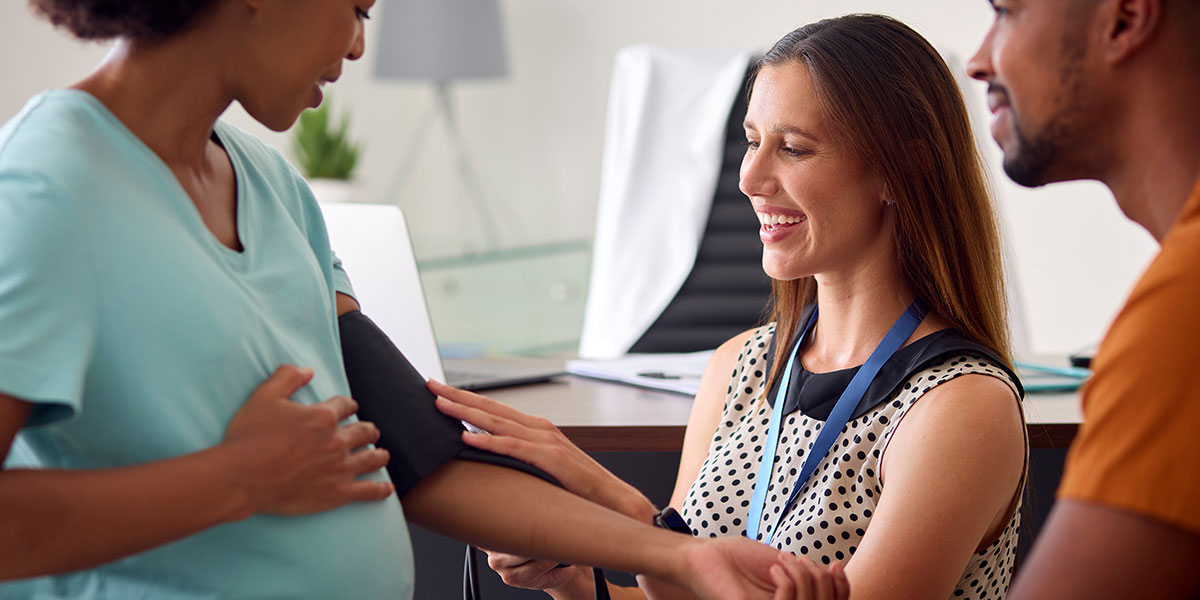
The devices used in the program aren’t just any blood pressure monitors—they’re validated against clinical standards to ensure accuracy. But more importantly, they come with instructions that take the guesswork out of monitoring blood pressure during pregnancy and postpartum recovery. Staff walk participants through cuff placement, body positioning, rest time before a reading, and what not to do—like measuring after a stressful commute or while holding a crying baby. The goal is to help families track changes early, spot readings that may need attention, and better understand what those numbers mean in real time.
These touchpoints matter, especially for expectant mothers who may already feel anxious or uncertain. A single high reading at a prenatal visit can leave someone scared. Having the ability to recheck it at home, understand it, and track it over time can reduce stress and build confidence. In Missouri, where maternal health outcomes have ranked among the most concerning in the country, the ability to monitor blood pressure at home offers one more safeguard against complications that too often go unnoticed until it’s too late. And when a series of readings does suggest a problem, participants know what steps to take next, whether that means calling their provider, visiting a health center, or seeking help with insurance or transportation.
The initiative also prioritizes outreach to those without a regular provider. Too often in rural health, there’s an assumption that patients just need to try harder to get care. But in Missouri, more than 40% of counties are considered maternity care deserts, compared to about one-third nationwide. One in ten women lives more than 30 minutes from a birthing hospital, and over 15% start pregnancy without adequate prenatal care—higher than national averages, according to the March of Dimes.
The partnership also includes CPR Anytime kits that can be used at home or integrated into events like baby showers. The training is hands-on, brief, and designed to give parents and caregivers the confidence to act in an emergency—especially in situations where help may be minutes away, not seconds.
Staff at Altruism, Inc. also commit to annual training in Hands-Only CPR and incorporate the lessons into their client visits, further reinforcing the knowledge. When CPR becomes a natural part of perinatal education, it’s no longer an extra—it’s part of the care families receive before, during, and after birth.

The program is open to individuals who are pregnant, postpartum, or at elevated risk for hypertension and do not currently own a validated blood pressure monitor.
Knowing Your Numbers Takes on A Different Meaning
But the impact of this work extends well beyond individual households. By investing in a formal self-measured blood pressure loaner program, with systems for data collection, follow-up, and accountability, the partnership is laying the groundwork for something far more durable: a replicable model for rural cardiovascular care.
Program outcomes will be formally documented through an impact summary due four months after implementation. That evaluation will detail how the program is being used, what barriers persist, and what solutions are emerging. The lessons learned here—whether about equipment return rates, user confidence, or follow-up success—can inform future versions of the program across Missouri and beyond.
“We will be hyperfocused on effective measurement to glean the efficacy of this program and its impact on our clients,” Wright said. “We will also work to expand this partnership to our clients in the urban core. Black women and birthing people are 60% more likely to develop preeclampsia than white women. This disparity contributes to higher rates of maternal mortality. Expanding this program to clients in the Kansas City area, while continuing to offer it to our rural clients, is the logical next step.”
The program is open to individuals who are pregnant, postpartum, or at elevated risk for hypertension and do not currently own a validated blood pressure monitor. Priority is given to residents who are uninsured, enrolled in Medicaid, or without a regular source of medical care. Participants receive their blood pressure cuff through Altruism, Inc. after a brief orientation and are encouraged to return it once their monitoring period ends, unless otherwise arranged.
That matters in a region where residents are used to hearing what they lack—providers, hospitals, specialists. This time, they’re hearing something different. Here’s what you can do, here’s how we’ll help, and this is why it matters.
For some, it may be the first time they’ve been equipped to monitor their own health—and that their zip code doesn’t have to define their outcomes.
More information about Altruism, Inc.’s maternal health work and rural support programs can be found at https://altruism-inc.org.


