Weathering is the literal tearing down of the heart, arteries, and other systems in the body, which causes them to become chronologically old at a younger age due to chronic stress. The term “weathering” was coined in 1992 by Arline T. Geronimus, SC. D., a professor in the School of Public Health and a research professor at the University of Michigan. She attributed weathering to people of color and other groups who experienced historical marginalization — where poverty and/or discrimination are a common lived experience. Until recently, the phenomenon was discounted by many in the scientific and medical community. But scientific research is underscoring its truths.
Weathering and chronic stress are two sides of the same coin. Chronic stress acts as an intentional culprit, releasing a flood of cortisol and adrenaline. This creates a fight-or-flight, or freeze, response that increases heart rate, breathing rate, and blood pressure, among other physiological functions. When the stressful situation is over, the body returns to normal. But if the stress is repeated, as in the case of racism, the body does not have the chance to return to the pre-stress state, and the fight, flight, or freeze becomes an ineffective coping mechanism that affects the body’s major systems and organs.

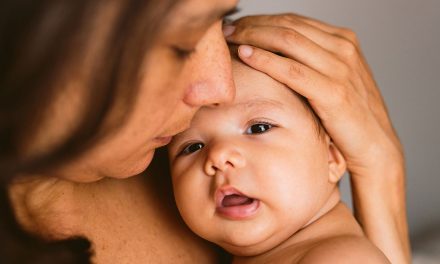
People who live in a constant state of duress due to unmet needs, racism, bias, discrimination, marginalization, are also pitted against systems that don’t see their value or humanity, weather. (Photo source: Canva)
The weight associated with this trauma response is heavy. It serves as an allostatic load, causing wear and tear on the body that accumulates in response to repeated or chronic exposure to stress. Simply put, an allostatic load is a measure of the combined biological manifestations of chronic stress over the life course, which is directly linked to poor health. It is the physical impact of living in a constant fight-or-flight state, or as some have observed, the post-traumatic stress without the post.
People who live in a constant state of duress due to unmet needs, racism, bias, discrimination, marginalization, are also pitted against systems that don’t see their value or humanity, weather. And according to Dr. Geronimus, this damage runs deep, happens at the cellular level, and leads to serious health problems over time. She says these weathering effects are directly correlated with why Black women who give birth in their 20s have more complications than those who become mothers in their teens — which is the direct opposite for white pregnant women and birthing people.
It’s important to note that Black maternal mortality and morbidity aren’t relegated to women living in poverty or covered through Medicaid. Black women with higher incomes endure the same physical effects of weathering because daily injustices and othering don’t discriminate based on income.
Tennis champion Serena Williams is one case in point, almost dying when she gave birth to her daughter in 2017. Having lived with a history of blood clots, she became concerned that she was experiencing a pulmonary embolism after feeling short of breath after she gave birth. The clinicians entrusted with her care dismissed her concerns as confusion due to pain medication. Ultimately, if Williams had not advocated for herself ad nauseam, her outcome may have been very different. After four emergency surgeries, blood clots were removed from her lungs, which saved her life.
“Being heard and appropriately treated was the difference between life and death for me,” Williams told “Ebony” magazine. “I know the statistics would be different if the medical community listened to every Black woman’s experience.”
The Black maternal and infant health crisis is emblematic of how the experience of being Black in the United States undermines health regardless of socioeconomic status. Experts and even evidence-based research underscore that racism, not race, drives health disparities and inequities. Forging a path forward includes fully appreciating how the experience of living in a body that is a constant marker for racism takes a toll — physiologically, emotionally, and as Dr. Geronimus points out, at the cellular level, affecting one’s DNA.
Black maternal mortality and morbidity rates are slowly forcing science to catch up with the truth. Research suggests pregnant Black women show a significantly greater inflammatory response to stressors compared with pregnant white women. This contributes to higher incidences of maternal mortality and morbidity: Black women are three to four times more likely to die from giving birth than white women in the United States, have a 60% higher rate of preeclampsia, and have a 50% higher rate of preterm births.

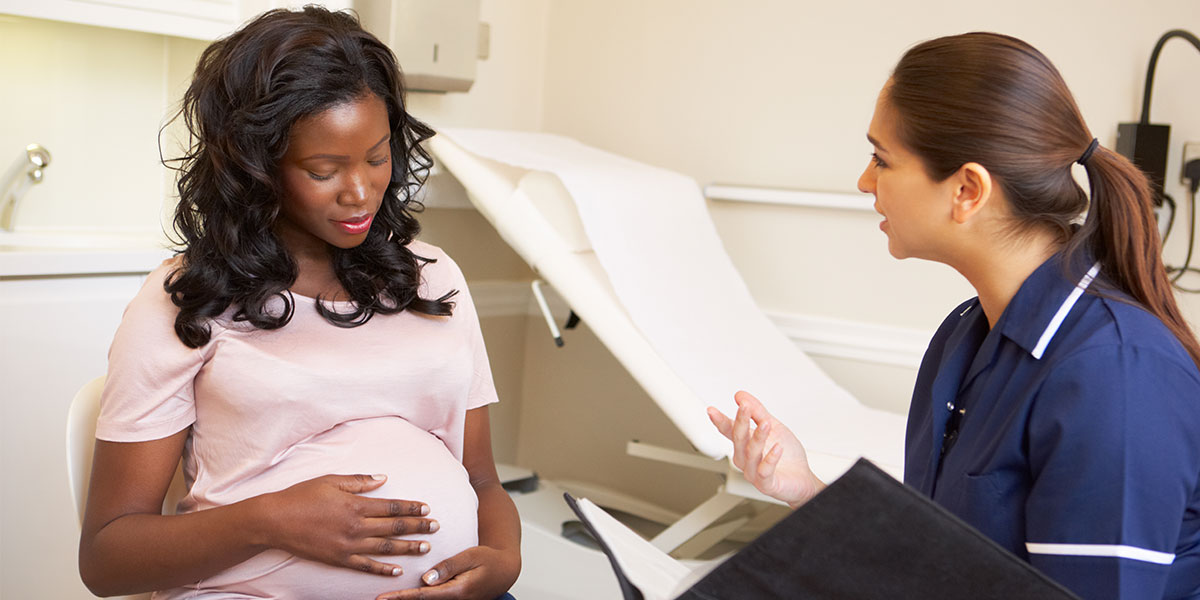
A systematic review of research studying the links between chronic stress and physiological changes among Black pregnant women showed that Black women’s experience of interpersonal racial discrimination during pregnancy affects physiologic biomarkers relating to cardiovascular, neuroendocrine, and immune systems. (Photo source: Adobe Stock Photo)
In a study published by the National Institutes of Health (NIH) to assess the association between allostatic load as an estimate of chronic stress and adverse pregnancy outcomes, the outcomes are telling.
Of the 4,266 individuals who participated in the study, 34.7% had a high allostatic load. Composite adverse pregnancy outcomes (multiple, related negative events) occurred in 27.5% of participants; hypertensive disorders of pregnancy occurred in 14%; preterm births in 48%; small babies for their gestational age in 11%; and stillbirths for 0.3%. Self-reported race was a factor in the outcomes.
When weathering is coupled with medical biases, the risks for negative outcomes for Black birthing bodies worsen. In a 2023 CDC study, one in four Black, Hispanic, and multicultural pregnant individuals reported mistreatment during maternity care compared with one in three overall.
In another survey, pregnant women of color said more often than white women that health care professionals don’t listen to them. Black women also said about twice as often as white women that they felt pressured to have a cesarean birth.
“Studies show health care professionals sometimes label Black women as ‘difficult’ or ‘angry’ when they speak up for themselves, or they ask ‘too many’ questions. That means some women of color have a hard time saying things like, ‘I’m afraid you’re not listening to me and that it could harm me or my baby,’” as stated in an article published by the American College of Obstetricians & Gynecologists.
A systematic review of research studying the links between chronic stress and physiological changes among Black pregnant women showed that Black women’s experience of interpersonal racial discrimination during pregnancy affects physiologic biomarkers relating to cardiovascular, neuroendocrine, and immune systems. This stress, or allostatic load, is linked to poor maternal health, with clear potential to impact the infants’ early and longer-term health.
Birth equity advocates like the Policy Center for Maternal Mental Health is offering the following recommendations:
- Increase the number of Black and obstetric professionals of color: Federal and state agencies should provide and promote training and scholarship funding to increase the number of Black midwives, OB-GYNs, and family practice providers. To support Black obstetric providers, a model similar to the HRSA’s Rural Maternity and Obstetrics Management Strategies Program should be implemented.
- Test for proficiency in recognizing bias, cultural competence, and maternal mental health: State licensing and certifying boards for obstetric providers, such as midwives and OB-GYNs, should require proficiency testing in cultural competence and bias recognition before issuing or renewing licenses.
- Mandate insurers and health plans to report provider demographics and conduct network adequacy assessments: Insurers should collect and publish demographic information (race, ethnicity, etc.) for providers in their networks, making it easier for patients to find culturally concordant care. Additionally, network adequacy assessments should ensure that provider demographics align with the patient populations served.
- Support research and adoption of community-based organization (CBO) interventions: Increased investment is needed in research studying CBO-led interventions and incentivizing the adoption of evidence-based practices through grants, community learning networks, and insurance billing support.
Weathering is the direct result of structural norms that devalue Black birthing bodies. When Black pregnant people’s needs are belittled, ignored, or not believed, they and their babies are at risk for negative birthing outcomes — and even death. The changes needed require an all-hands-on-deck approach that prioritizes the needs of the mother and child. This includes health system administrative and obstetric staff, doulas and perinatal community health workers, medical schools and students free of biased training and indoctrination, aligned community-based organizations, and health care policy that supports Black maternal health facts over policies that maintain the status quo.
For anyone seeking more context on this matter, Groups like the Black Mamas Matter Alliance and SisterSong inform and advance social policy and understanding through their research initiatives. Collectively, they have submitted “Reproductive Injustice: Gender and Racial Discrimination in U.S. Health Care,” a report to the United Nations Committee on the Elimination of Racial Discrimination. They have also crafted a story collection addressing barriers Black women in the South face when it comes to accessing maternal health care, and have produced the Black Mamas Matter Toolkit, a resource for fellow advocates.