The numbers are stark and unforgiving, but behind each statistic is a mother, daughter, or sister whose life was cut short. While overall maternal mortality rates in the United States showed signs of improvement in 2023, the experience for Black women told a dramatically different story—one of dreams deferred and families shattered. According to the Centers for Disease Control and Prevention’s (CDC) National Vital Statistics System, the maternal mortality rate for Black women rose to 50.3 deaths per 100,000 live births in 2023, while overall maternal mortality declined. This widens opportunities for meaningful change—chances to ensure that every woman, regardless of her background, receives the care and support she deserves during one of life’s most important journeys.
Behind these figures lies the incredible strength of Black mothers who navigate complex challenges while bringing new life into the world, often despite barriers that shouldn’t exist in the first place. High blood pressure, a condition that affects millions of Americans, becomes particularly dangerous during pregnancy and the postpartum period. For Black women, this risk is magnified by a health care system that has historically failed to provide equitable care, creating a perfect storm of preventable tragedies.
The Numbers Tell a Devastating Story
The disparities in maternal health outcomes are not subtle variations—they represent profound inequities that persist across multiple health measures. According to research published by the American Heart Association (AHA), Black women are more than twice as likely as their white counterparts to have uncontrolled high blood pressure during their childbearing years—a health issue that, with proper support and monitoring, can be managed effectively throughout pregnancy.
When it comes to pregnancy-related hypertensive disorders, the disparities become even more pronounced. Black women are five times more likely to die from eclampsia and preeclampsia than white women, conditions directly linked to high blood pressure that can cause seizures, organ failure, and death if not properly managed. The overall maternal mortality picture is equally troubling: according to the CDC, Black women are three times more likely to die from pregnancy-related causes than white women, with cardiovascular conditions, including hypertension, playing a central role in many of these deaths.
These statistics reflect not just individual health outcomes but a systemic failure to address the root causes of health disparities. As Jamila K. Taylor, Ph.D., president and CEO of the Institute for Women’s Policy Research, stated in April 2024, “We are letting women, especially Black women, needlessly die.” The CDC’s data reveals that high blood pressure is one of the most common contributors to maternal deaths in the first week postpartum, a critical period when proper monitoring and intervention can mean the difference between life and death.
Understanding the Medical Connection
High blood pressure during pregnancy manifests in several dangerous forms, each carrying significant risks for both mother and child. Gestational hypertension, preeclampsia, and eclampsia represent a spectrum of conditions that can develop rapidly and require immediate medical attention. For Black women, these conditions not only occur more frequently but also often present with greater severity and resistance to standard treatments.
The relationship between hypertension and maternal mortality extends beyond the immediate pregnancy period. Pregnancy-related strokes, often linked to uncontrolled blood pressure, represent a growing concern that disproportionately affects Black women. These cerebrovascular events can occur during pregnancy, delivery, or in the critical postpartum period, when blood pressure fluctuations are common but not always adequately monitored.
Recent research from the National Institutes of Health has highlighted how pregnancy can unmask underlying cardiovascular risks that may have been present but undiagnosed. For many Black women, pregnancy becomes the first time they interact regularly with the health care system, potentially revealing hypertension that has gone untreated for years. This delayed diagnosis means that interventions must address not only the immediate pregnancy-related risks but also the underlying cardiovascular health that will affect these women for decades to come.
The physiological stress of pregnancy on an already compromised cardiovascular system creates a cascade of risks. High blood pressure can reduce blood flow to the placenta, affecting fetal development while simultaneously increasing the mother’s risk of stroke, heart attack, and organ failure. The postpartum period, during which hormonal changes and fluid shifts occur, presents additional challenges for blood pressure management; yet, this critical time often receives insufficient medical attention.

According to research published by the American Heart Association (AHA), Black women are more than twice as likely as their white counterparts to have uncontrolled high blood pressure during their childbearing years. (Photo source: Adobe Stock)
Root Causes Beyond Biology
While the medical aspects of hypertension in pregnancy are well-documented, the persistent racial disparities in outcomes point to factors that extend far beyond individual health behaviors or genetic predispositions. Structural racism within health care systems creates barriers to quality care that begin long before pregnancy and continue through the postpartum period.
Access to quality prenatal care remains uneven across racial lines, with Black women more likely to receive care from providers with less obstetric training or in facilities with fewer resources for managing high-risk pregnancies. This disparity in care quality becomes particularly problematic when managing conditions like hypertension that require frequent monitoring and potential medication adjustments throughout pregnancy.
Everyone deserves to have their concerns heard and taken seriously by their health care team. Studies have documented differences in how pain and symptoms are assessed and treated based on patient race, leading to delays in diagnosis and treatment of conditions like preeclampsia. When providers receive training in cultural competency and implicit bias, they’re better equipped to provide the attentive, respectful care that leads to healthier outcomes.
Social determinants of health play an equally crucial role in creating and perpetuating these disparities. Research from Boston University found that Black women who reported experiencing interpersonal racism in employment, housing, and interactions with police had a “26% higher risk of coronary heart disease than those who did not.” The Journal of the American College of Cardiology notes that “Black women have historically faced chronic stressors from racial and sexual discrimination, single parenthood, caregiving, and serving as heads of households.”
The weathering effect of chronic stress contributes to the earlier onset of hypertension and more severe disease progression, creating vulnerabilities that pregnancy can expose and exacerbate. A University of Michigan study published in 2024 found that “African American women who experience higher levels of perceived racial discrimination in everyday life have accelerated levels of biological aging.”
Food insecurity and limited access to healthy foods in many predominantly Black communities contribute to higher rates of obesity and diabetes, conditions that increase hypertension risk.
Geographic and Regional Variations
The disparities in Black reproductive health outcomes vary significantly across geographic regions, reflecting differences in health care infrastructure, policy environments, and social conditions. Missouri and Kansas exemplify these regional challenges, with particularly alarming statistics that highlight the urgent need for targeted interventions.
In Missouri, the crisis is especially acute. According to the Missouri Department of Health and Senior Services, Black women were three times more likely to die than white women from pregnancy-related causes. Nurture KC reports that “Missouri’s mortality rate for Black moms skyrockets to 65 deaths per 100,000 births, a rate that is double the state rate.” The Missouri Independent found that Missouri’s overall pregnancy-related mortality ratio stands at 25.2 deaths per 100,000 births, with 74.5% of deaths determined to be preventable.
Kansas City area statistics reveal troubling disparities, as documented by data from the Kaiser Family Foundation showing significant maternal mortality challenges in the region. The March of Dimes gave Missouri a D- grade for preterm birth rates, ranking it “the 16th worst grade in the nation,” while Jackson County, Missouri, received an F grade.
Rural areas present particular challenges, with limited access to specialized maternal-fetal medicine services and hospital closures creating health care deserts. Urban areas face different challenges, including hospital systems with fewer resources and higher patient loads in predominantly Black communities.

Weight management, nutritional counseling, and stress reduction techniques, when delivered through trusted community organizations, can help address some of the modifiable risk factors for hypertension. (Photo source: Adobe Stock)
Prevention: Starting Before Pregnancy
The AHA has emphasized that “optimizing prepregnancy health may help reverse the rise in heart-related maternal deaths and complications, especially among Black women.” This approach recognizes that many of the cardiovascular risks that emerge during pregnancy have their roots in preexisting conditions that can and should be addressed before conception occurs.
The organization’s updated stroke prevention guidelines, released in 2024, include specific advice for women and place “new emphasis on social drivers of health,” acknowledging that effective prevention must address both medical and social factors. These guidelines recognize that stroke risk during pregnancy and the postpartum period is significantly elevated, particularly for women with preexisting hypertension.
Preconception counseling represents a critical opportunity to identify and address cardiovascular risks before they are complicated by pregnancy. Preconception counseling offers women the chance to take charge of their health, working with providers to optimize their well-being before pregnancy begins. This partnership approach helps ensure that women enter pregnancy feeling confident and well-prepared. Blood pressure screening, lifestyle counseling, and medication optimization during this period can significantly improve pregnancy outcomes.
Community-based prevention programs have shown particular promise in addressing the social and environmental factors that contribute to hypertension in Black communities. These programs, often led by community health workers who understand local contexts and challenges, can provide culturally relevant education and support that traditional health care settings may struggle to deliver.
Weight management, nutritional counseling, and stress reduction techniques, when delivered through trusted community organizations, can help address some of the modifiable risk factors for hypertension. However, these individual-level interventions must be paired with broader efforts to address the social determinants of health that create disparities in the first place.
Promising Interventions and Solutions
Health care systems across the country are implementing targeted interventions designed to address the specific risks that Black women face during pregnancy and childbirth. “Safety “bundles”—standardized protocols for managing common pregnancy complications-have shown particular promise in reducing pregnancy-related deaths, particularly among Black women.
The Kansas Health Institute (KHI) reported in August 2025 that “community-engaged programs that offer social support, such as group prenatal care, doula services or familial support, and community health workers have been found to increase engagement and improve outcomes”, especially for Black women. KHI noted that “strengthening social support proved to be important, particularly familial and peer support” for Black communities, while “delivering social support through the workforce, such as community health workers, has been important in continued engagement.”
These safety bundles help ensure that all women receive evidence-based treatment regardless of their race or the provider they see.
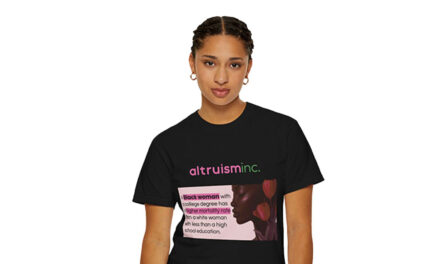
Remote blood pressure monitoring programs have emerged as another promising intervention, particularly valuable for women with transportation barriers or in rural areas, where more than 40% of counties are considered maternity care deserts, according to the March of Dimes. In Missouri, a new partnership between Altruism, Inc. and the AHA exemplifies this approach. The program provides validated blood pressure monitors to pregnant and postpartum women in rural Lafayette County.
“Preeclampsia, or high blood pressure while pregnant, can be managed with the proper tools and education,” said Tonia Wright, founder and CEO of Altruism, Inc. “Helping pregnant women and birthing people get acclimated to and comfortable with regular blood pressure checks at home—and sharing the results with their provider—is crucial to healthy outcomes during labor and delivery.” Wright also noted that the organization plans to expand the program to urban areas, recognizing that “Black women and birthing people are 60% more likely to develop preeclampsia than white women.”
These programs provide patients with home blood pressure monitors and regular check-ins with health care providers, allowing for early identification of problems and timely intervention without requiring frequent office visits.
Community-based doula programs have also shown promise in improving outcomes for Black women. Doulas, trained birth companions who provide continuous physical, emotional, and informational support, can help navigate health care systems and advocate for appropriate care.
Research published in eClinicalMedicine found that “women who used doulas during their pregnancies showed lower odds of cesarean delivery” and lower odds of postpartum anxiety and depression. A systematic review by PCORI reported that “support from a doula during labor and childbirth has been associated with increased maternal engagement, higher patient satisfaction with care, lower rates of cesarean birth, fewer obstetric interventions, fewer complications during labor, less pain medication use, shorter labor hours.”

Health care financing reforms, particularly Medicaid expansion in states that have not yet adopted it, could significantly improve access to both preconception and prenatal care for low-income women. (Photo source: Adobe Stock)
Health Care System Reform and Policy Solutions
Addressing the crisis of hypertension in Black reproductive health requires systemic changes that go beyond individual interventions. Health care financing reforms, particularly Medicaid expansion in states that have not yet adopted it, could significantly improve access to both preconception and prenatal care for low-income women.
Investment in health care infrastructure, particularly in historically underserved communities, is essential for ensuring that all women have access to quality care. This includes not only funding for facilities and equipment but also support for training and retaining health care providers in these communities.
Quality measurement and reporting systems that track outcomes by race and ethnicity can help identify disparities and hold health care systems accountable for addressing them. Public reporting of these metrics can create incentives for improvement while also informing patients about the quality of care they can expect from different providers.
Professional education reform is also needed to ensure that health care providers are equipped to provide culturally competent care and recognize their own potential biases. This education should extend beyond medical school to include continuing education requirements that address health equity and cultural competency.
Looking Forward: The Path to Equity
The crisis of high blood pressure in Black reproductive health represents both a profound challenge and an opportunity for meaningful change. However, recent political developments have complicated efforts to address these disparities at the federal level.
In January 2025, the Trump administration revoked key Biden administration executive orders that had “federally protected access to reproductive health care services,” including reproductive health programs. The National Women’s Law Center reports that these actions “roll back efforts to protect and advance access to abortion and birth control and threaten health care providers.”
The Center for American Progress warns that “the Trump administration is dismantling programs to prevent, treat, and cure diseases that affect women as well as threatening access to basic reproductive and maternal health care.” The Commonwealth Fund notes that the administration’s fiscal year 2026 budget “requests a 26.2% cut to HHS from 2025” and “proposes significant cuts to a number of offices and programs focused on women’s health.”
Despite these federal policy reversals, state and local efforts continue. The solutions are known—they involve addressing both the immediate medical needs of Black birthing people during pregnancy and the broader social and economic factors that contribute to health disparities.
Success will be measured not just in statistics but in the lived experiences of Black parents who receive the care they deserve throughout their reproductive years. It will be reflected in communities where pregnancy is a time of joy and anticipation rather than heightened risk, and where the color of a woman’s skin does not determine the quality of care she receives.
The AHA’s emphasis on prepregnancy optimization and attention to social drivers of health points toward a more comprehensive approach that recognizes the complexity of this challenge. By addressing hypertension and cardiovascular health before pregnancy, supporting people throughout the childbearing process, and working to eliminate the systemic factors that create disparities, it may be possible to ensure that all mothers, regardless of race, have the opportunity for healthy pregnancies and safe deliveries.
The data demands action, and the solutions require commitment. For Black mothers facing the dual burden of systemic discrimination and medical risk, the time for change is not tomorrow–it is now. Every statistic represents a woman, a family, and a community affected by preventable tragedy. The path forward is illuminated by successful programs already making a difference in communities across the country. When we invest in comprehensive, respectful care for birthing people, we create a future where everyone can approach pregnancy with confidence and joy.
The challenge is clear, the tools are available, and the moral imperative is undeniable. What remains is the collective will to act.