

The sound of gunshots echoing through a Kansas City neighborhood doesn’t just leave physical scars—it creates invisible wounds that can last a lifetime. For communities of color across Missouri and Kansas, the intersection of gun violence and post-traumatic stress disorder (PTSD) represents a public health crisis that demands urgent attention and comprehensive solutions.
Nature Mental Health research reveals a sobering reality: between 58.6% and 94.4% of adults report mental health consequences after exposure to gun violence, with Black, Indigenous, and people of color communities bearing a disproportionate burden of both the violence and its psychological aftermath. In Missouri alone, 1,074 people die by guns annually, giving the state the 8th-highest gun death rate in the nation at 17.5 per 100,000 people. Kansas faces its own challenges, with nearly 3/4 of homicides committed with firearms in 2019, and young Black males aged 15-34 experiencing a firearm homicide rate 15 times higher than white males of the same age group.
The Dual Crisis: Violence and Trauma Intertwined
The relationship between PTSD and gun violence in communities of color is complex and cyclical. According to recent research published in Nature Mental Health, exposure to gun violence can lead to major psychological distress, including anxiety, depression, panic attacks, and post-traumatic stress symptoms. This creates a devastating pattern where trauma from witnessing or experiencing violence can lead to hypervigilance, substance abuse, and difficulty regulating emotions—symptoms that can increase the likelihood of future violent encounters, perpetuating cycles that affect entire families and communities across generations.
Research has found that nearly one-third of Black women in poor, violent communities had PTSD, highlighting the gendered impact of gun violence trauma. The effects extend beyond individual suffering, with high homicide rates in neighborhoods predicting poor infant health outcomes, demonstrating how violence trauma permeates entire communities. The geographic reality of gun violence across Missouri and Kansas reveals how this trauma manifests differently in urban versus rural settings, yet creates equally devastating impacts on communities of color regardless of location.
In urban centers like Kansas City, Missouri, recent data reveals a complex picture of both progress and persistent challenges. While homicides decreased by 20% in 2024 to their lowest level in six years, non-fatal shootings increased by nearly 12%, according to Kansas City Police Chief Stacey Graves in an interview with KCUR. This shift means hundreds more survivors are living with gunshot wounds and the accompanying psychological trauma, creating a growing population at risk for developing PTSD.
Kansas City’s experience reflects broader patterns of conflict-driven violence, where nearly 40% of the record-breaking 182 homicides in 2023 happened over an argument. This pattern suggests that many incidents stem from conflicts that could potentially be de-escalated through trauma-informed intervention, highlighting the connection between untreated mental health issues and violence escalation. In St. Louis, where predominantly Black neighborhoods have long endured high rates of gun violence, some residents describe their surroundings as resembling a war zone—a reflection of how normalized daily trauma has become. Community health care workers report that PTSD symptoms are so common in some areas that residents consider hypervigilance and sleep disturbances normal parts of daily life, reflecting how chronic exposure to violence can normalize trauma responses.
While urban areas grab headlines, rural communities across Missouri and Kansas are experiencing their own gun violence epidemic, with unique challenges that compound PTSD risk factors. Recent national data shows concerning trends in rural violence, creating particular trauma challenges in small communities where everyone knows the victims and their families, intensifying the collective grief and fear that can trigger community-wide PTSD responses. Small college towns in both states are particularly vulnerable, as students of color arrive seeking educational opportunities but instead encounter new sources of trauma. The University of Missouri campus in Columbia and Kansas State University in Manhattan have reported an increase in mental health care services requests following local and regional shooting incidents. Students from communities where gun violence is common often view college as a respite, but when incidents happen near campus or news arrives from home communities, it can trigger or exacerbate existing PTSD symptoms, creating a complex dynamic where higher education becomes another site where trauma must be navigated.
“It’s not just the physical trauma that is obviously debilitating,” Cynthia Carlson, special projects coordinator at the Kansas City Health Department, told KCUR. “There is scarring that is interior. You don’t really see that.”
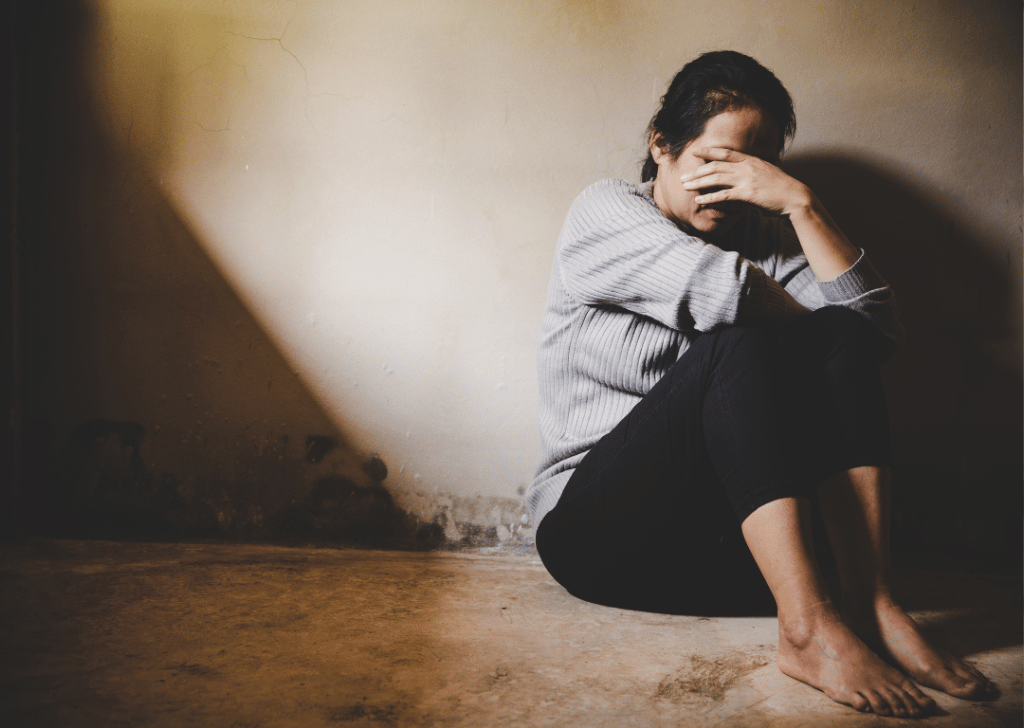
“It’s not just the physical trauma that is obviously debilitating,” Cynthia Carlson, special projects coordinator at the Kansas City Health Department, told KCUR. “There is scarring that is interior. You don’t really see that.” (Photo sourcce: Canva)
The Medical Reality: Understanding Trauma’s Impact
The clinical presentation of PTSD in gun violence survivors from communities of color often differs from textbook descriptions, complicating diagnosis and treatment. Many patients present with what trauma specialists call “community PTSD”—symptoms that develop not from a single traumatic event but from chronic exposure to violence and threat. Traditional PTSD criteria assume a discrete traumatic event, but many individuals in high-violence communities live in a state of constant threat, developing hypervigilance not because of one shooting they witnessed, but because they’ve lost count of how many they’ve experienced directly or indirectly.
The symptoms manifest in ways that can be mistaken for other conditions, creating additional barriers to appropriate treatment. Children may be diagnosed with ADHD when their inability to concentrate stems from hypervigilance developed after witnessing neighborhood violence—a pattern documented by trauma specialists and outlined by the Child Mind Institute, which notes that symptoms of traumatic stress can closely mimic attention disorders. Adults may be treated for anxiety disorders when their symptoms actually represent complex PTSD from repeated trauma exposure. This misdiagnosis pattern delays appropriate intervention and can worsen outcomes for individuals already struggling with the effects of violence exposure.
Communities of color face multiple barriers to accessing mental health care treatment for gun violence trauma, creating a treatment gap that perpetuates the cycle of violence and trauma. Historical medical racism creates distrust of health care systems, while cultural stigma around mental health treatment compounds the problem. In many communities, seeking therapy is seen as weakness rather than healing, preventing individuals from accessing potentially life-saving interventions. Geographic access presents another significant challenge, particularly in rural areas of Missouri and Kansas that have limited mental health resources, forcing families to travel hours for specialized trauma treatment. Even in urban areas, culturally competent therapists who understand the specific challenges of gun violence trauma in communities of color remain scarce.
Insurance coverage remains a persistent barrier to accessing evidence-based trauma treatment. Many trauma-informed therapies, including EMDR (Eye Movement Desensitization and Reprocessing) and prolonged exposure therapy, require multiple sessions that may not be fully covered by Medicaid or low-cost insurance plans common in affected communities. This creates a situation where the most effective treatments remain inaccessible to those who need them most, perpetuating disparities in mental health outcomes.
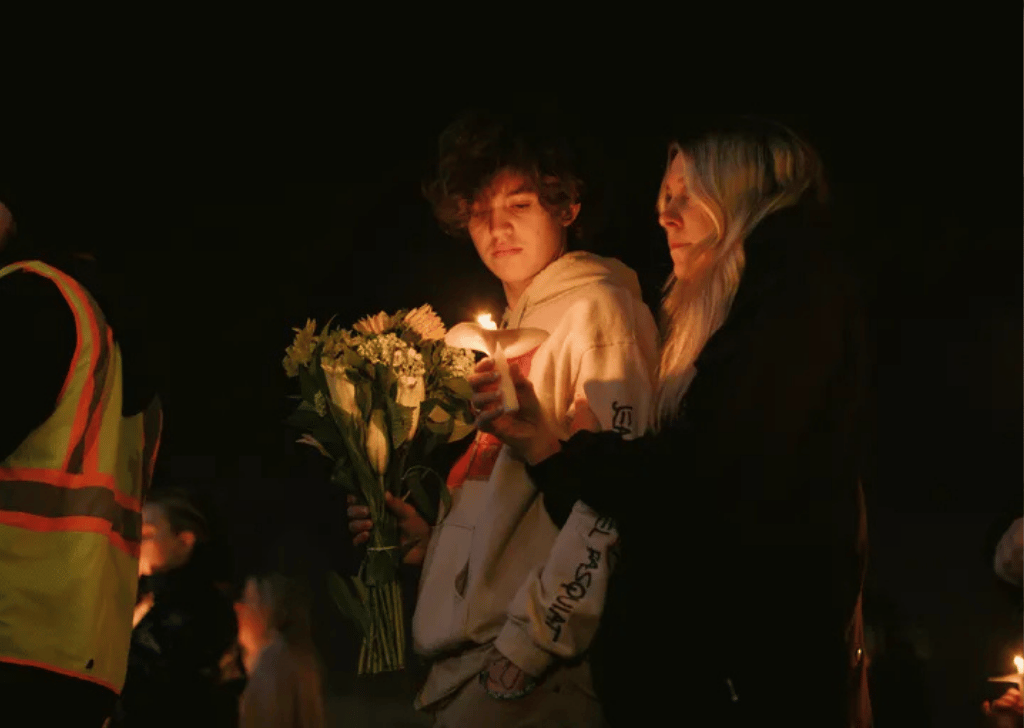
People gather for a vigil for victims of a mass shooting that occurred following a Super Bowl victory parade, leaving one woman dead and at least 22 people injured, in Kansas City, Mo., on Feb. 15, 2024. Gun violence in 2020 became the leading cause of death for children and teenagers in the U.S., surpassing car accidents, according to the Centers for Disease Control and Prevention. (Chase Castor/The New York Times)
Community-Based Healing: Innovation from the Ground Up
Despite systemic barriers, communities across Missouri and Kansas are developing innovative approaches to address gun violence trauma that often prove more effective than traditional clinical interventions because they understand the cultural and social context of the trauma. These grassroots efforts represent hope and demonstrate the power of community-led healing initiatives. As one survivor interviewed by Everytown for Gun Safety said, “We just learn how to cope. Trauma never goes anywhere, and healing is an ongoing process; it’s just a lifelong process.” This enduring reality underscores the need for long-term, culturally responsive interventions.
Kansas City’s Aim4Peace program works to reverse the violence epidemic through a comprehensive approach that addresses both the immediate crisis and underlying trauma. The program employs community members who have lived experience with violence to provide peer support and intervention services, recognizing that healing often happens most effectively when facilitated by those who have experienced similar trauma. The program has expanded to include trauma-informed yoga classes, art therapy sessions, and family counseling specifically designed for gun violence survivors. Early data suggest that participants show significant improvements in PTSD symptoms and decreased likelihood of involvement in future violent incidents, demonstrating the effectiveness of culturally responsive, community-based interventions.
In Wichita, Kansas, the city’s Violence Interrupters Program—run by Destination Innovation in partnership with Cure Violence Global and Wichita State University—deploys credible messengers into neighborhoods to mediate conflicts, prevent retaliation shootings, and connect families to services through hospital outreach and social support networks. The program, serving primarily Latino and Black neighborhoods with high rates of gun violence, emphasizes community healing and culturally responsive intervention. Through consistent neighborhood presence and informal support circles, the initiative creates space for survivors to share experiences and coping strategies, forming peer-led networks that promote sustainable healing beyond formal programming.
Rural areas are using innovative strategies to overcome barriers to mental health care. In Missouri, the University of Missouri’s telehealth network connects rural patients with behavioral health providers, including trauma-informed therapists, through secure video platforms. While not specific to gun violence, these services expand access to care. Mobile crisis teams, staffed by clinicians and peer support specialists, also provide on-site mental health support in rural regions. Available 24/7, the teams respond to urgent needs and help link people to long-term resources—demonstrating how flexible approaches can bring care where it’s needed most.
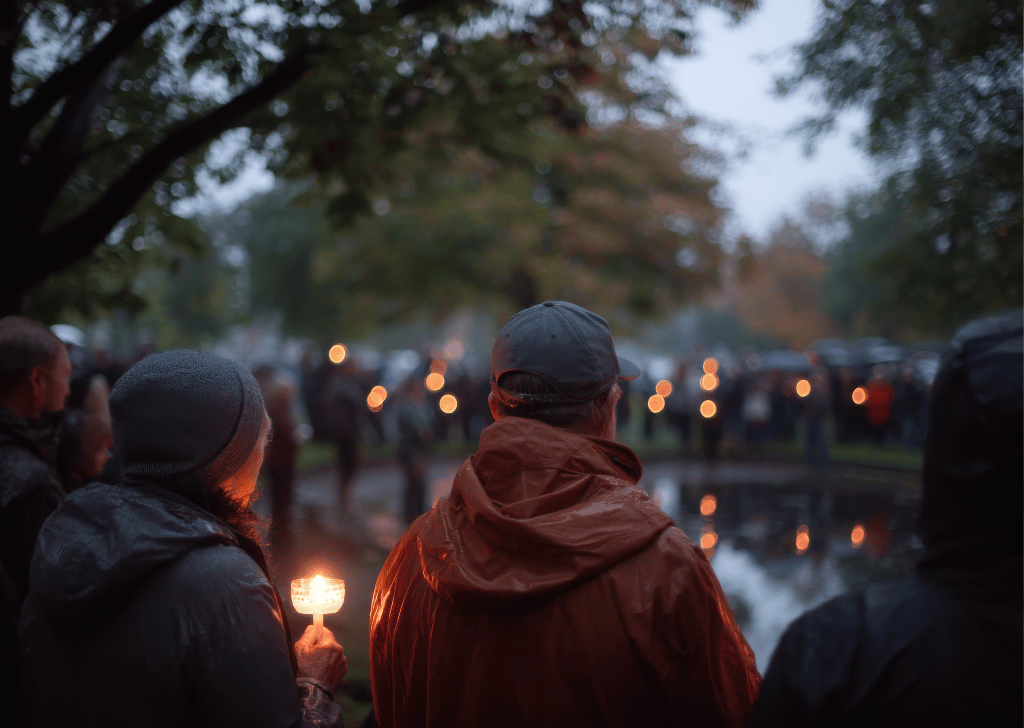
Despite systemic barriers, communities across Missouri and Kansas are developing innovative approaches to address gun violence trauma that often prove more effective than traditional clinical interventions because they understand the cultural and social context of the trauma.
The Ripple Effect: How Trauma Spreads Through Communities
The impact of gun violence extends far beyond direct survivors, creating ripples of trauma that affect entire communities and generations. Recent analysis found that 51 per 100,000 U.S. school-age children were exposed to a school shooting from 2020 to 2024, while 34% of unintentional child and adolescent firearm deaths involved at least one other child present during the incident. These statistics reveal how gun violence trauma spreads beyond individual victims to affect witnesses, family members, and entire communities.
In communities of color, where extended family networks are often strong, the trauma of gun violence can affect dozens of people connected to a single victim. Grandparents raising grandchildren after parents are killed or incarcerated due to violence, siblings struggling with survivor’s guilt, and friends grappling with complex grief all contribute to the broader mental health impact that reverberates through communities for years after violent incidents occur.
Health care workers, teachers, and social service providers in high-violence areas experience secondary trauma from repeatedly witnessing the effects of gun violence, a phenomenon sometimes called “vicarious trauma” that can lead to burnout, compassion fatigue, and PTSD symptoms in caregivers themselves. This creates additional challenges for communities that rely on these professionals for support and healing, as the very people providing care may themselves need trauma treatment.
Policy Solutions: Addressing Root Causes and Systemic Change
While community-based interventions provide crucial support, addressing the PTSD-gun violence cycle in communities of color requires comprehensive policy solutions that tackle both immediate safety concerns and underlying systemic issues that perpetuate cycles of violence and trauma.
Strengthening gun safety measures represents a critical component of any comprehensive approach to reducing both violence and associated trauma. Missouri has some of the loosest gun laws in the United States, with recent scorecard data from Giffords Law Center showing significant room for improvement in evidence-based gun safety policies. Policy experts suggest that evidence-based gun safety measures, including universal background checks, waiting periods, and extreme risk protection orders (commonly called “red flag” laws), could significantly reduce both violence and associated trauma while respecting Second Amendment rights. These measures could be particularly effective in preventing impulsive gun violence, often associated with untreated PTSD, breaking cycles of trauma and violence.
Expanding mental health care resources requires significant federal and state investment in mental health infrastructure to address the treatment gap that leaves many trauma survivors without access to care. Community-based violence intervention programs that work alongside law enforcement to deescalate conflict have faced funding challenges, with recent federal policy changes affecting their sustainability. Restoring and expanding funding for these programs could provide crucial support for both violence prevention and trauma healing, particularly in communities where traditional law enforcement approaches have been ineffective or have created additional trauma.
Integrating trauma-informed care into all health care settings, from emergency departments to primary care clinics, could help identify and treat PTSD symptoms before they contribute to the cycle of violence. This requires training health care providers to recognize trauma symptoms and providing adequate reimbursement for trauma-informed treatments. Expanding Medicaid coverage for mental health services, including evidence-based trauma therapies, would remove a significant barrier to treatment for many members in communities of color, particularly in states that have not yet expanded Medicaid coverage.
Data shows that early intervention programs for gunshot survivors demonstrate statistically significant reductions in both PTSD and depression symptoms, providing evidence that targeted interventions can break cycles of trauma and violence. However, to scale these successes, sustained commitment from policymakers, health care systems, and communities themselves is essential, along with adequate funding and resources to support long-term healing and prevention efforts.


